Insights on hiring, careers, and the future of work.Written by your founder, Fraser Hill.
We have been led to believe that our unconscious biases are corrupt and cannot be changed. A whole training industry has been born out of this misled belief.
Competency interviews, still used by most companies, are doing nothing for the DEI agenda. Different interviewers are asking different questions, with different agendas and biases.
Software that redacts diversity indicators like gender and race have been touted as a solution to better DEI hiring, but, in fact, the opposite is true.
We often hear, "Don't hire for what they've done. Instead, hire for what they can do." This article sheds light on how there couldn't be a worse idea when it comes to leadership hiring.
Is the Harvard University test, the Implicit Association Test (IAT), right to be telling us all about our unconscious prejudices? Are we identifying and combating our unconscious biases the right way?
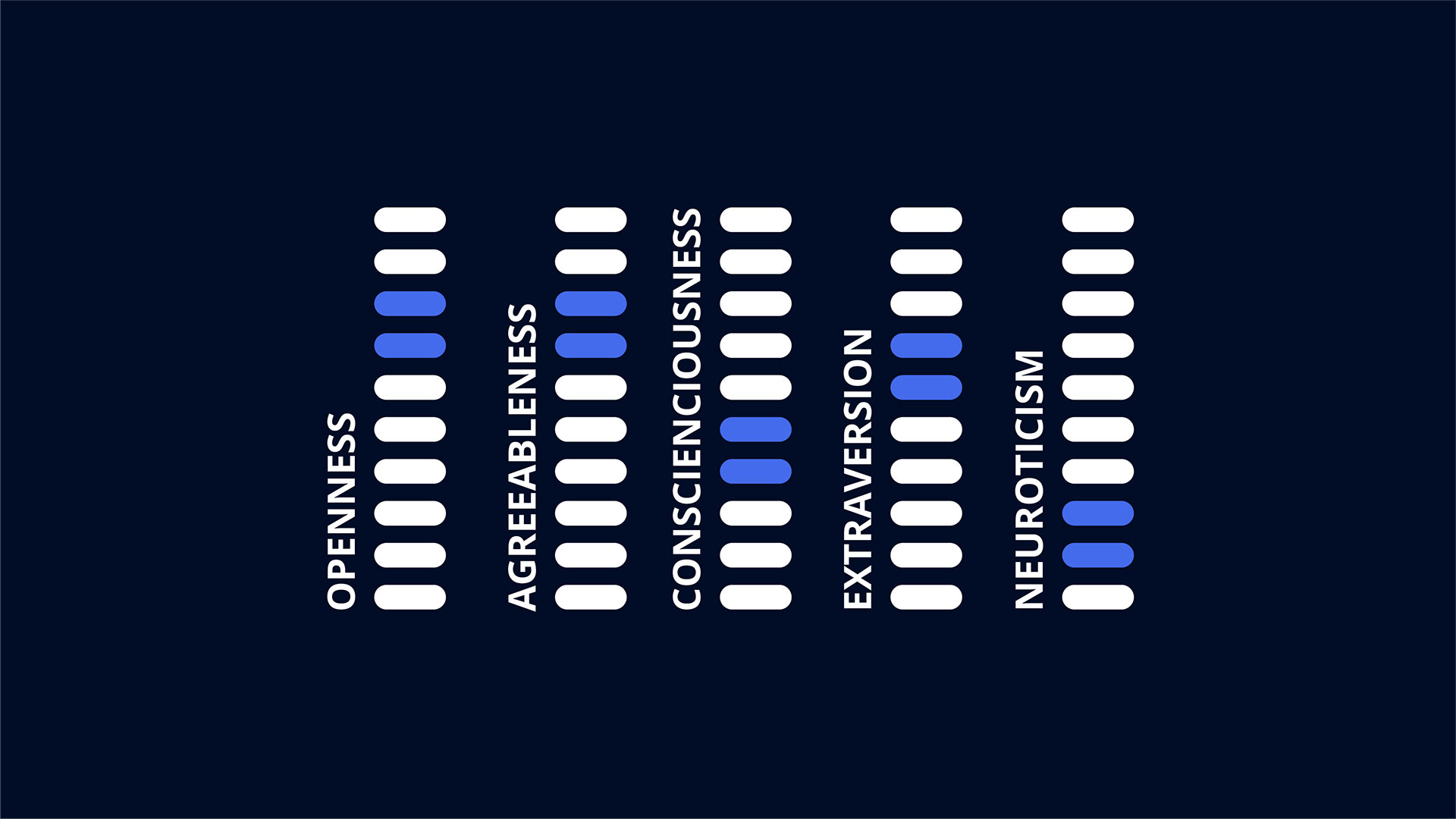
Great cultures cannot survive without great ideas and innovation. This article looks at the big five personality traits and their role in fostering creativity within organizations.
Does leadership intuition exist? If it does, how do we define it? Is it useful, or is it just corrupting our decision making like our unconscious biases allegedly do?
Fortune 500 companies often use thirty or more so-called traits to assess leaders. Are these really all traits, though? A scientifically derived twelve-item trait model is proposed.
Companies continue to believe there's some magical way to peek beyond the curtains of one's psyche to discover traits that will provide infinite wisdom about a candidate's potential.
The leadership assessment fallacy is the affirmation of leadership assessment processes because chosen candidates go on to do well. But does success really validate the process?
What part does personality play in a successful leader's ability to perform? How do we even define personality, and what is the optimal balance of traits to be a great leader?